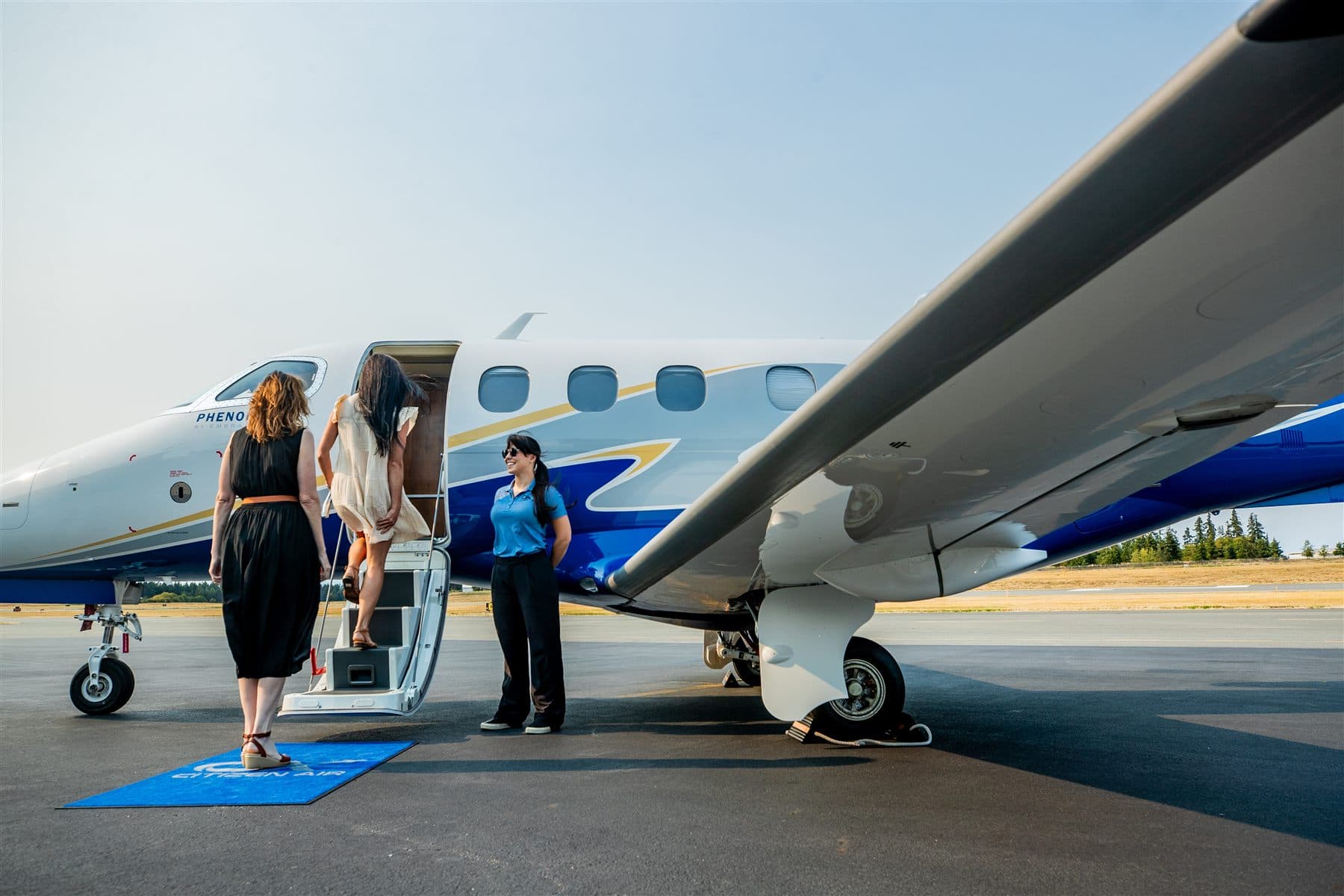
Your aircraft, managed by the people who fly it.

Your aircraft, managedby the people who fly it.

Two ways to have Citizen Air run your aircraft, wherever it is based: on our Part 135 certificate, where it earns charter revenue when you are not using it, or under Part 91, where you keep flying it and we take the administration off your desk.

  • Part 135 air carrier
  • Part 91 owner management
  • Managed where your aircraft is based
  • Safety Management System

Two tracks

Which way you want your aircraft run is your choice.

Both tracks are run by the same crew, the same dispatch desk and the same maintenance department that operate our own fleet. What changes is whose certificate the aircraft flies under, and what that lets it do.

Track one

Part 135 placement

For an owner who flies less than the aircraft could, and would rather it earned its keep. Your aircraft goes on our air carrier certificate and flies charter when you are not using it.

What is included

  • Conformity, OpSpecs amendment and FAA correspondence to put the aircraft on the certificate.
  • Charter sales, scheduling and dispatch from our operations desk.
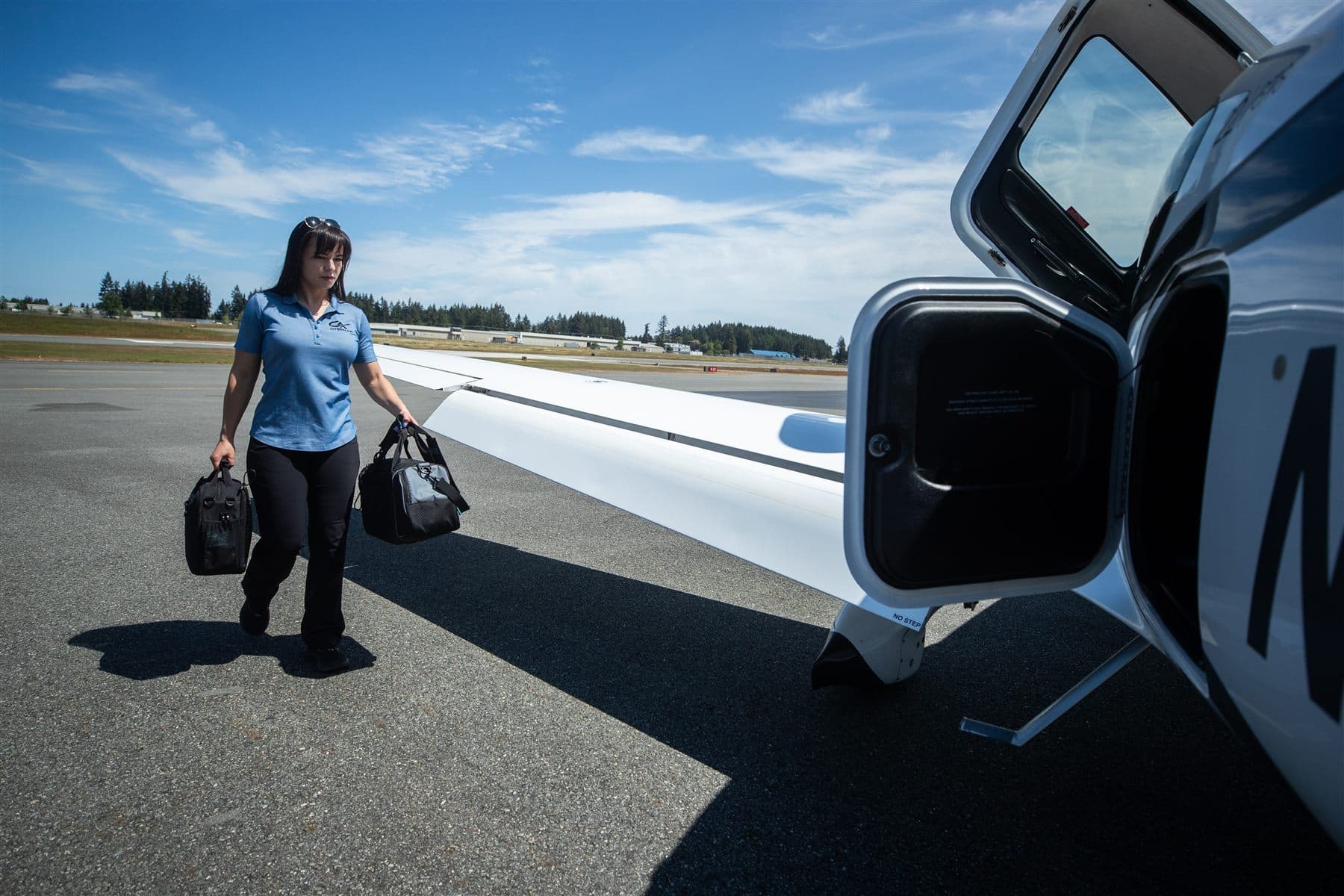
  • Crew: our pilots, trained and checked to the standards of our certificate.
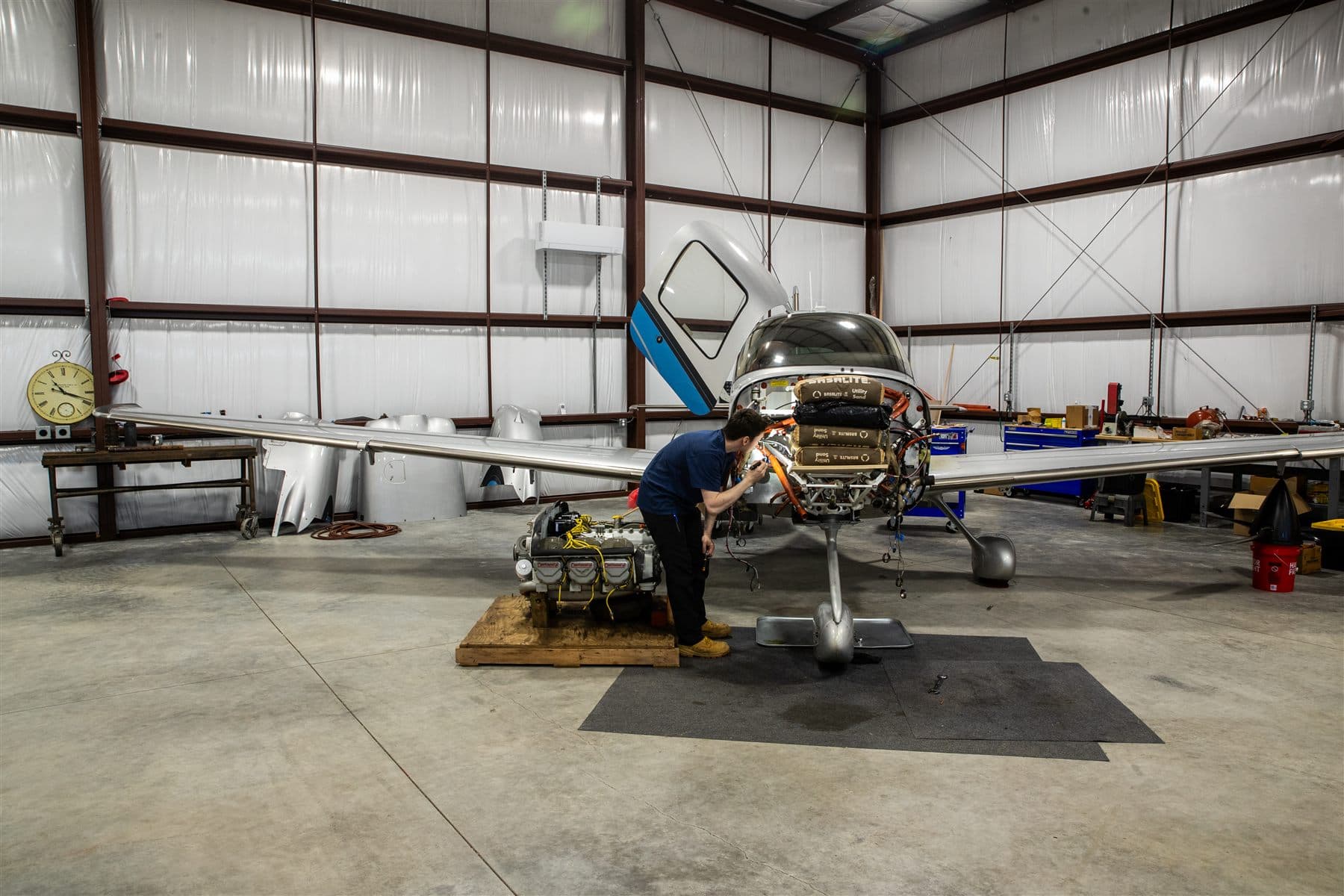
  • Maintenance under our approved inspection program, by our own technicians.
  • Insurance arranged for commercial operation, with the split between your policy and ours agreed before the first flight.
  • Hangar, ramp and fuel arranged at the aircraft's base.
  • A monthly statement of hours, revenue and costs.

How you are paidCharter revenue is credited to your aircraft each month. Operating costs are passed through, and our share is set in the management agreement. One statement, one settlement, with the detail behind every line.

Ask about placement

Track two

Part 91 management

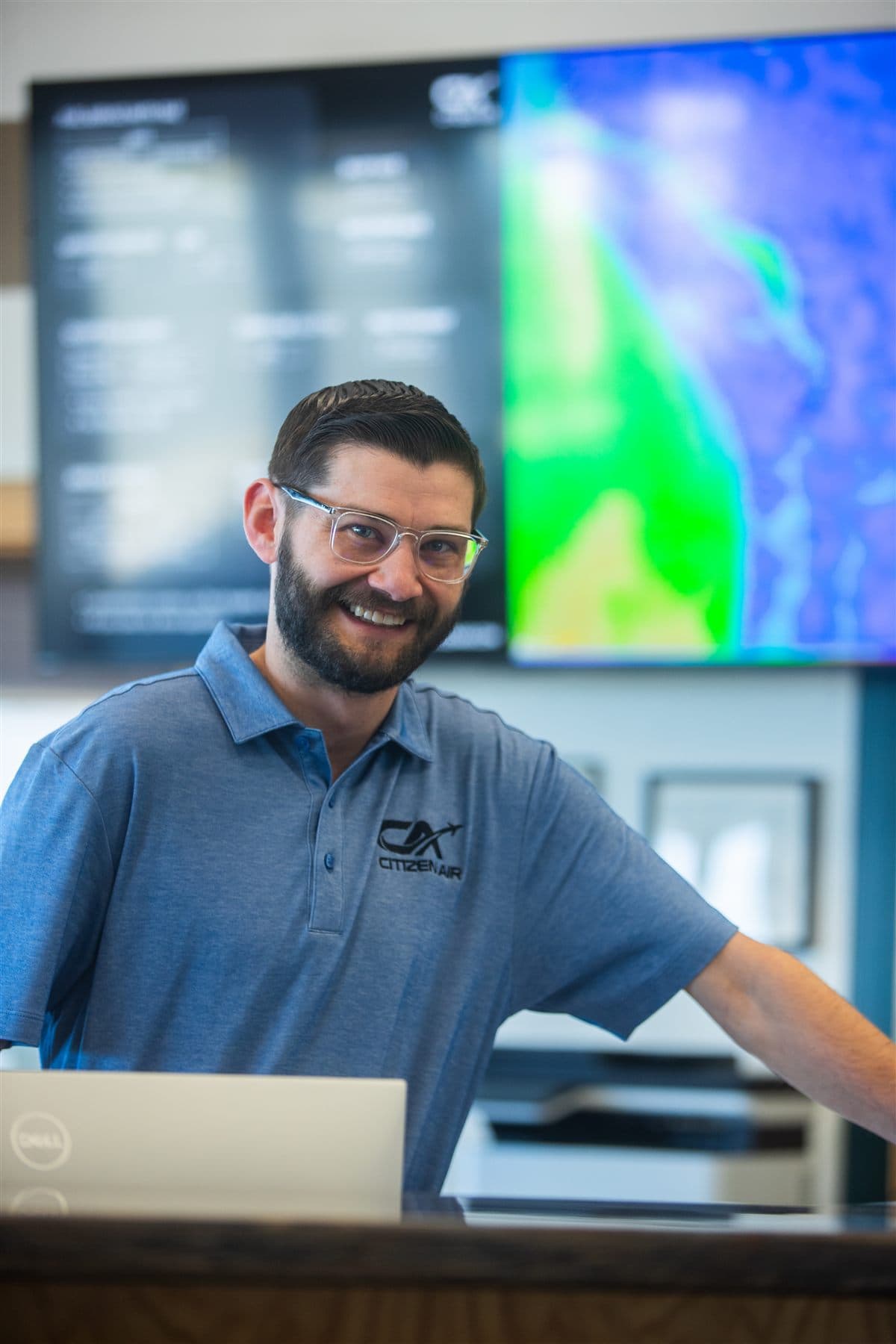
For an owner-pilot, or an owner with a pilot, who wants to keep flying the aircraft privately and stop running a one-aircraft flight department on the side.

What is included

  • Maintenance scheduling, tracking and the work itself, in our hangar or with a shop we vet at the aircraft's base.
  • Airworthiness Directive, service bulletin and inspection tracking, with records kept current.
  • Insurance shopping and renewal, so the policy fits how you fly.
  • Crew when you need one: a second pilot, a relief pilot or a ferry.
  • Hangar, ramp and fuel arranged at the aircraft's base.
  • A monthly statement of what was done and what is coming up.

How you are billedA management fee, set in the agreement, plus the costs of the work and services you use, passed through at cost with the invoices attached.

Ask about Part 91 management

Who does the work

The same people who run our own fleet.

A managed aircraft is not handed to a separate team. It joins the fleet, and the people responsible for it are the ones responsible for ours, named here so you know who you are dealing with. Your aircraft, its pilots and its maintenance stay where the aircraft is based.

Brian Hammer

President

A&P · Director of Maintenance, Part 91K

Three decades in business aviation on the owner's side of the table: Director of Maintenance for a Fortune 200 flight department, thirteen years running aircraft transactions at a national brokerage, and management of owners' Citation, Gulfstream and Challenger aircraft under Part 91 and Part 135. Signs the management agreement and answers for it.

Henny Jungemann

Chief Pilot

ATP · Check Airman · A&P and IA

Sets the training and checking standard for every pilot who flies a managed aircraft. A former Navy test pilot with more than 10,000 hours, and also an A&P with an Inspection Authorization, so the crew side and the maintenance side speak the same language.

Jeff Well

Director of Operations

ATP · Check Airman · A&P

Runs dispatch, scheduling and Part 135 compliance. Ran a Part 135 operation at this airport for 27 years before it became part of Citizen Air, and has more than 20,000 hours, most of them in the Northwest.

Maintenance

Our own technicians, and the shops we vet

A&P · IA · Factory trained

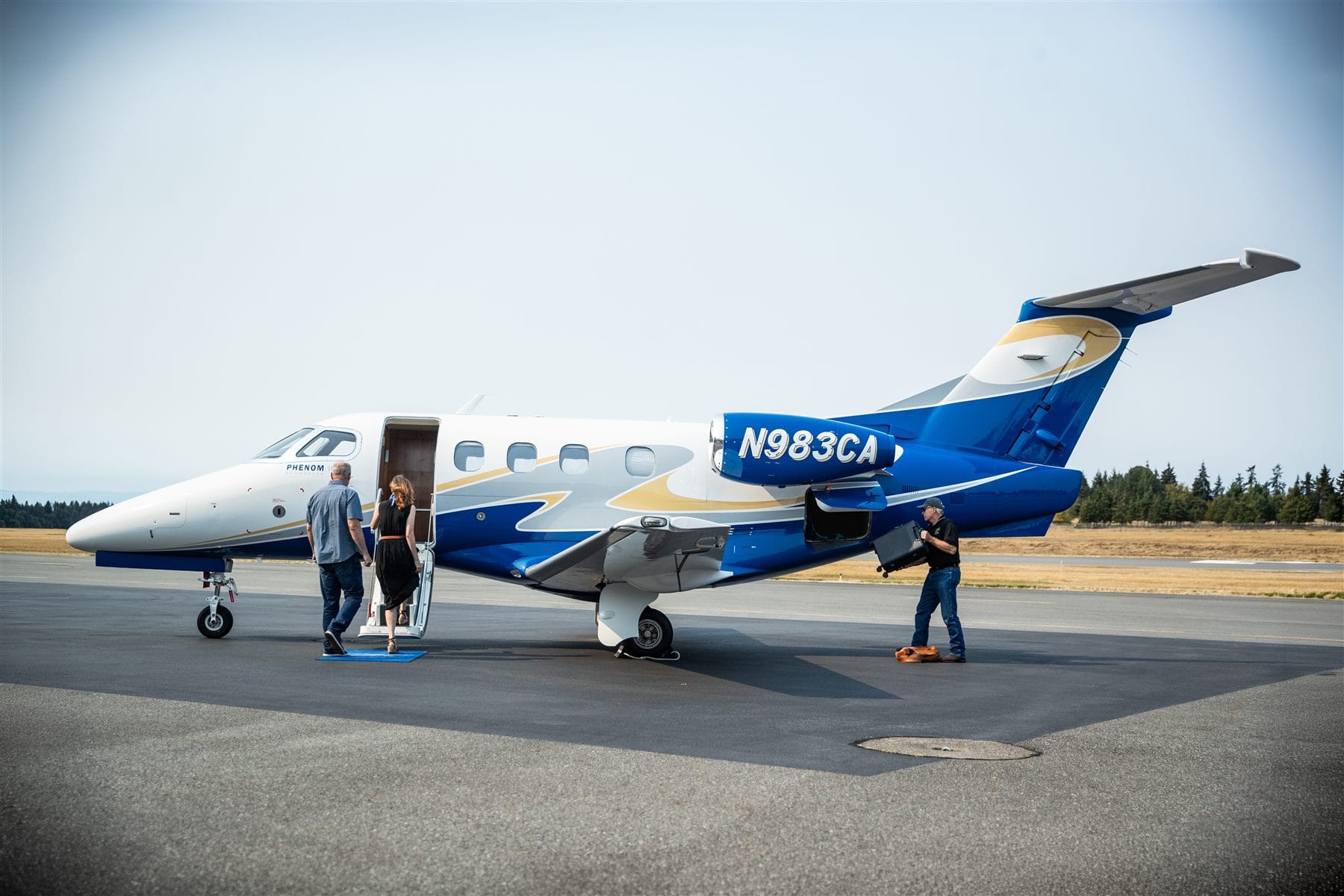
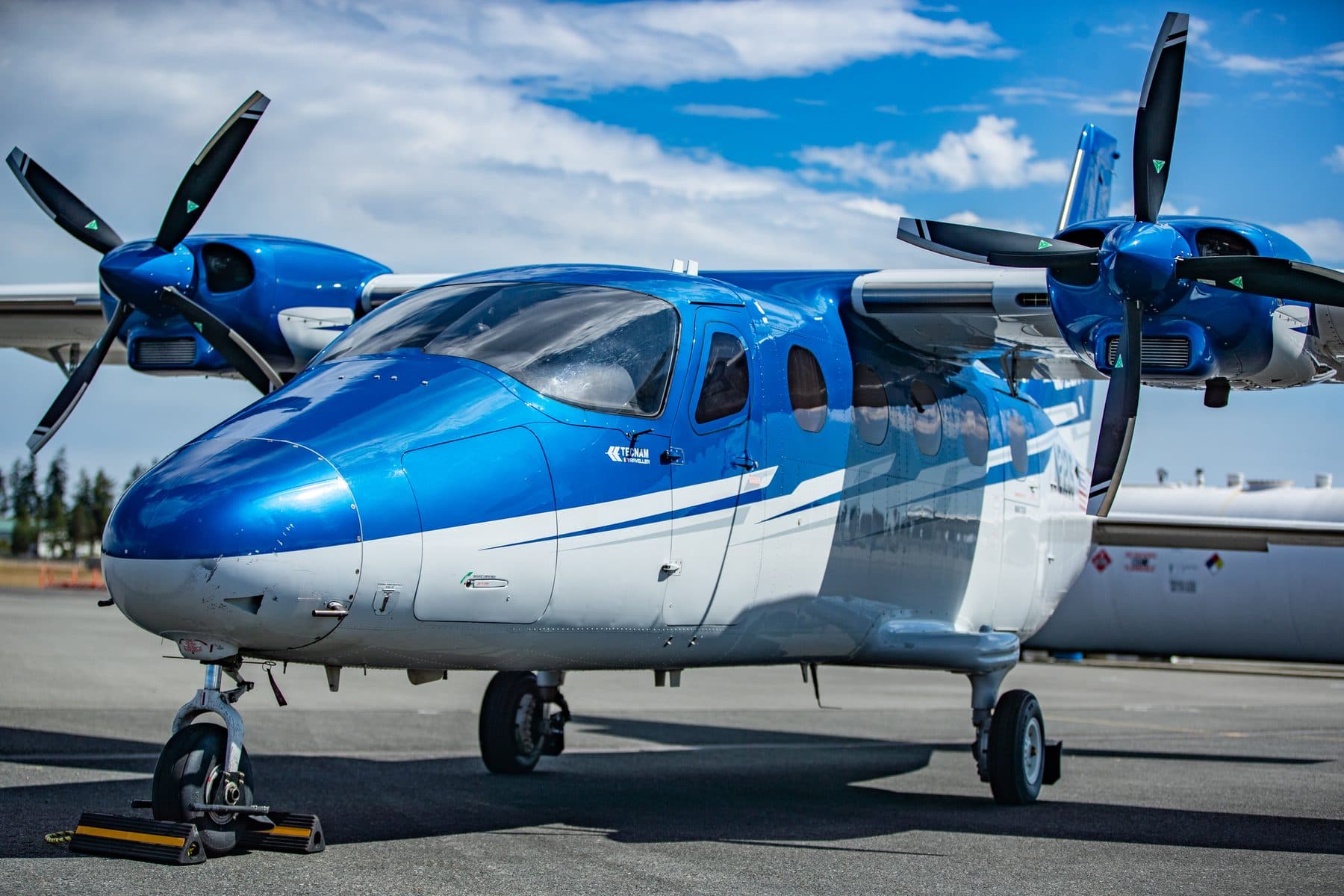
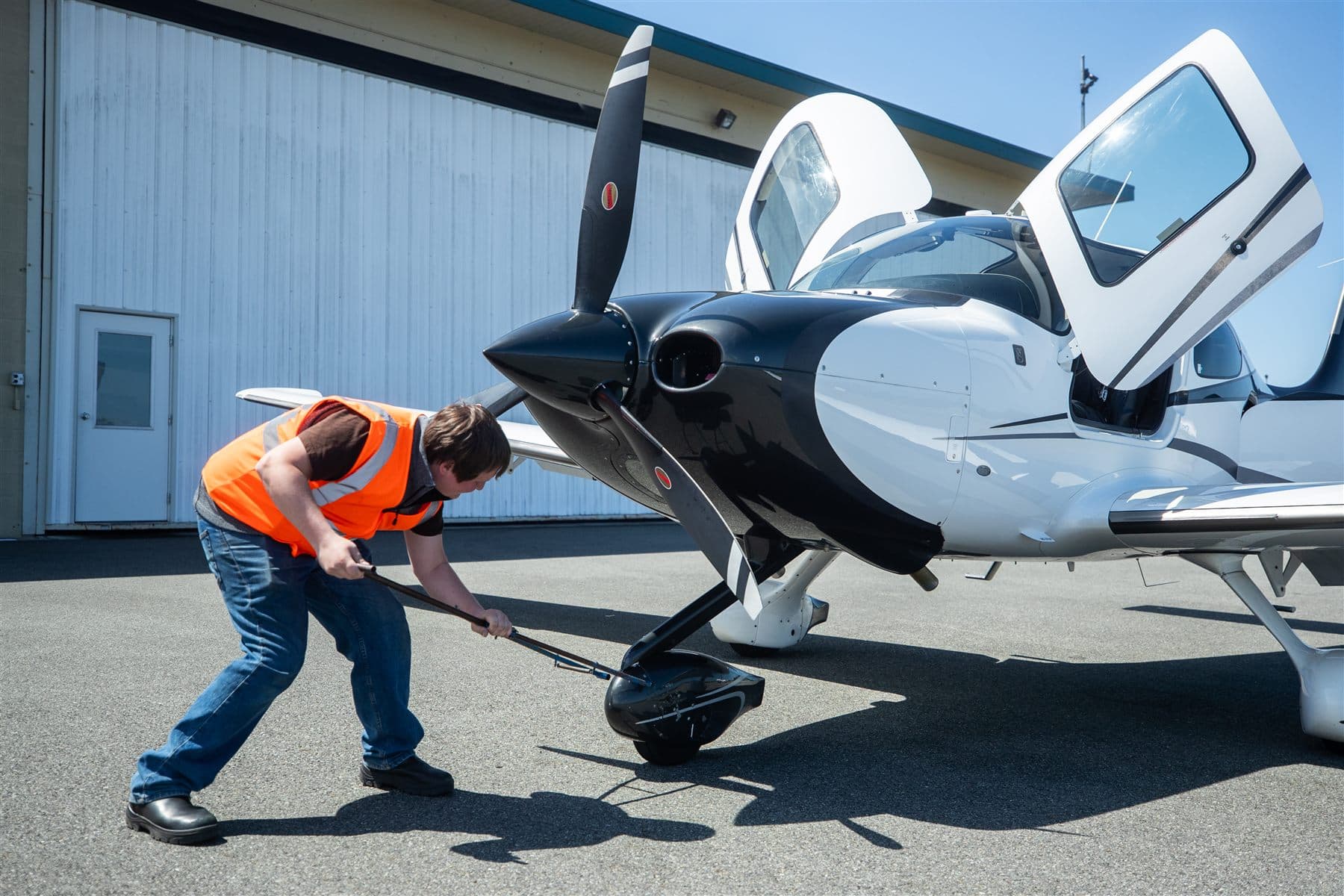
Inspections, repairs and engine work are done by our own A&P technicians and Inspection Authorization holders, factory trained on Cirrus, the Phenom 100 and Tecnam, in our hangars or overseen at a shop near your aircraft.

Meet the maintenance team →

Aircraft we manage

Any piston, twin, turboprop or jet.

Management is not limited to the types in our own fleet. A piston single, a piston or turbine twin, a turboprop or a jet can be managed under Part 91 wherever it is based. Placing an aircraft on our Part 135 certificate takes the FAA approvals for its type; where those exist already the path is short, and where they do not we tell you plainly what adding the type takes before you decide.

Piston singlesPiston and turbine twinsTurbopropsLight and midsize jets

Buying or upgrading

The right aircraft, and the right way to run it.

If you are choosing an aircraft, or moving up from the one you have, we help with the search, the pre-purchase inspection and the closing through Consulting and Advisory. Part of that advice is how the aircraft should be run once you own it. For some owners that is self-managed; for some it is Part 91 management; for some it is placement on a Part 135 certificate, ours or another operator's. We recommend the fit, not our own management team, and we will say so if the right answer is not us.

Placement, step by step

How an aircraft goes on our certificate.

No mystery in it. Five steps, in this order, and you hear from us at each one.

  1. Conformity

    Our technicians go through the aircraft and its records against the type's requirements for commercial operation: inspections, equipment, ADs and documentation. Anything missing is listed with a cost before work starts.

  2. OpSpecs

    We file the amendment with our FAA office to add the aircraft to the certificate. Our Director of Operations handles the correspondence; you sign what an owner has to sign, and nothing else.

  3. Insurance

    Coverage for commercial operation is arranged with our broker, and the split between your policy and ours, including who is named on which, is agreed in writing.

  4. Crew

    Pilots are based where the aircraft is: ours if it is based with us, or pilots we hire and qualify near your base. For a new type, training and checking are completed before the first revenue flight, under the Chief Pilot.

  5. Flying

    The aircraft is released to the schedule. Your days are blocked first; charter fills around them. The first statement follows at the end of the month.

The time this takes depends mostly on the aircraft's records and whether its type is already on our certificate. We give you a realistic estimate at step one, and we do not take on an aircraft we cannot conform.

Your aircraft stays yours

Fly it when you want it.

Placing an aircraft on our certificate does not mean giving it up. You tell us the days you want it and they are blocked before any charter is sold. When you fly it yourself, or with our crew, that is your flight; when it flies charter, that is ours, and the aircraft comes back to you the way it left.

The notice we ask for, and how far ahead charter can be sold against your aircraft, are set in the management agreement, not decided trip by trip. If your calendar is unpredictable, say so at the start and the agreement is written around it.

What you see each month

One statement, and every line has a document behind it.

Hours

Flown, by category: your flights, charter, positioning and maintenance, with the aircraft's total time and cycles.

Revenue

Every charter flight credited to your aircraft, by date and route, on the placement track.

Costs

Fuel, maintenance, landing and handling, crew expenses and anything else passed through, with the invoices.

What is coming

Inspections and component times due, ADs and bulletins on the horizon, and the crew and insurance dates that matter.

You can ask for the logbooks, the work orders or the dispatch record for any flight at any time. It is your aircraft; the records are yours too.

Standards

What your aircraft is held to.

We hold an FAA Part 135 air carrier certificate and we run the operation under a Safety Management System. Those are the standards a managed aircraft is held to, whether it flies for you or for a charter customer.

Part 135 certificate

Operations specifications, an approved inspection program and FAA oversight from the Seattle office, applied to every aircraft on the certificate.

Safety Management System

Hazard reporting, risk assessment and a safety officer, run to 14 CFR Part 5 across the whole operation, not only the commercial flights.

Crew training and checking

Pilots trained and checked under our approved program by our own check airmen, with recurrent training on the types they fly.

Maintenance oversight

Our own A&P and IA technicians, factory trained on Cirrus, the Phenom 100 and Tecnam, do the work in our hangar and oversee it anywhere else. Nothing is signed off by someone who has not seen the aircraft.

We are a regional operator with a fleet of piston singles, a piston twin and a light jet. We do not hold a third-party audit rating, and we do not claim a global network. What we offer instead is an operation small enough that the Chief Pilot and the Director of Maintenance know your aircraft by name, wherever it is based.

Questions

What owners ask before they decide.

Will charter revenue cover my costs?
Sometimes a good part of them, never all of them, and anyone who tells you otherwise is selling. What charter earns depends on the type, how much of the year the aircraft is available and the demand on our routes. We will show you what our own aircraft of the same type have flown before you sign, and the statement each month shows what yours did.
Do I lose access to my own aircraft?
No. Your days are blocked first and charter is sold around them. The notice period and how far ahead we may sell are written into the agreement, and we do not move your flight for a charter.
Who flies it?
On the placement track, our pilots, trained and checked under our Part 135 program by our own check airmen. On the Part 91 track, you do, or your pilot does, and we supply a second or relief pilot when you ask for one. If you want to fly your own aircraft on the certificate, that is a conversation about qualification and training, and it is possible.
What about insurance?
Commercial operation needs coverage that a private policy does not give, and it is arranged through our broker before the aircraft flies for hire. What you carry and what the certificate carries, and who is named on each, is settled in writing at step three. We do not put an aircraft on the schedule with a gap.
Do you have a safety rating?
We operate under an FAA Part 135 certificate and a Safety Management System, with our own check airmen and our own maintenance. We do not hold a third-party audit rating at this time. If a rating matters to you or to the people who fly with you, tell us, and we will tell you where we stand.
How do you buy fuel and parts?
At Fairchild, fuel comes from our own fuel farm at our own cost, passed through to you; elsewhere we buy it where the aircraft is and pass that through the same way. Parts for the types we are factory trained on come through the manufacturers' channels. We are not a network with volume contracts across the country, and we do not pretend to be; what we can do is show you the invoice.
Does my aircraft have to be based at Fairchild?
No. Our team is based at Fairchild, and an aircraft based here shares our hangars, our FBO, our fuel farm and our maintenance department. An aircraft based anywhere else stays where it is: its pilots and its maintenance are arranged at its own base, and we run the scheduling, the compliance and the records from here.
How do I end the agreement?
Either side can end the agreement with written notice; the notice period is in the agreement. When an aircraft leaves, we hand back its records and, on the placement track, take it off our certificate.
I do not own an aircraft yet, or I am thinking of upgrading. Where do I start?
If you want a share of an aircraft rather than the whole thing, see fractional ownership. If you are buying or upgrading, our consulting and advisory service covers the search, the pre-purchase inspection and the closing, and the advice includes how to run the aircraft: self-managed, Part 91 managed, or on a Part 135 certificate. We recommend the fit, and it is not always us.

Aircraft Management

Tell us about your aircraft.

Type, where it is based, hours a year and which track you are leaning toward. We reply within two hours during the day, and the first conversation is with the people who would run it.

+1 (360) 452-6226

+1 (800) 430-7483

info@flycitizenair.com
flycitizenair.com

8 am to 5 pm Pacific, seven days a week

Follow us @flycitizenair

1402 Fairchild Airport Rd, Port Angeles, WA 98363